Coming soon: Network Overload

Source: Flikr user NorthernLaLa

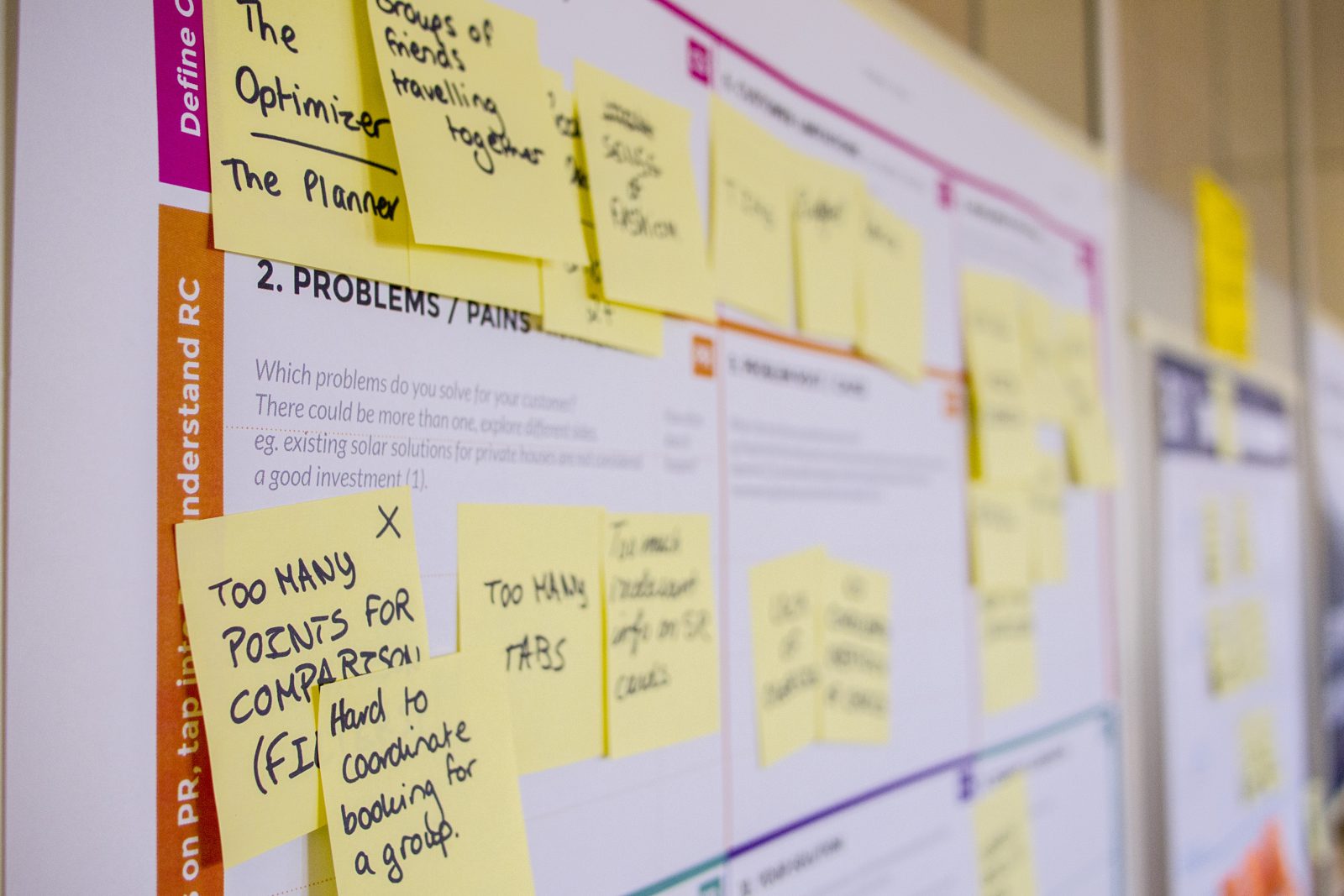
Do you remember how your mom would tell you every year on Halloween that too much candy at once would make you sick? That you should save some for later, space it out over a few days? But that you were so excited to have all that candy that you scarfed it all down, and then paid for it later?

While a good deal of social networking might be in its infancy, we have to assume that eventually, a lot of these tools and tactics will become mainstream– if you can’t claim that already. As the late majorities and laggards start to come around, it’ won’t be long before Facebook and Twitter are as ubiquitous as e-mail. Niche-specific social networks have begun popping up like Whack-a-Moles. Will all this lead to a social meltdown? Will we really be able to keep track of all of our friends, followers, feeds and networks? Will we NEED a separate network for every conceivable aspect of our lives? Will too much make us sick to our stomachs?

I’m currently a member of two Ning networks: PROpenMic and my industry-specific network. (I’m sure many of you know this, but Ning is a platform for building a Facebook-like social network for a specific group of people.) As Ning and similar platforms become more widespread and more people become comfortable with social networking, I can only imagine that the number of groups creating their own social network will rise dramatically. Remember how it used to be so hard to build a web site and so not may people/organizations had one?

I can envision a point where my university alumni association, church, town, dentist’s office, neighborhood, family and even my pets all have separate social networks. It’s already underway- my family is getting into Geni, my alumni association has integrated lots of social networking features into its Web site. Dave Fleet just noted that he’s seen an uptick in Ning networks and inspired the title for this post:

fleet

The more diffuse my involvement in social networking, the less engaged I am. I used to spend a lot of time on Facebook. Then I discovered Twitter. I’m a member of Geni, GoodReads, TripAdvisor– and about a dozen other sites. The more I join, the less I seem to interact. My interest in one network gives way to another. I’m not so sure that it’s a matter of having the time to participate as having the attention span. Even services like FriendFeed that consolidate my activity into one place make it only slightly easier to handle. And often I’m connecting and interacting with the same people across all these different networks.

So what does the future look like? As we join more social networks, will we actually socialize less? Will people join everything but participate in nothing? What good is a network if none of the members actively participate?

People have been postulating for a while now that “social networking fatigue” will force more interoperability between networks. Will one network, like Facebook, dominate and roll-up all other, smaller networks under its umbrella? I don’t think people will want to manage dozens of profiles and interactions at dozens of Web sites.

As we counsel clients and businesses on social media and introduce them to the possibilities, I think it’s important to emphasize that just because you CAN do something, doesn’t mean you SHOULD (see: shoulder pads, Furbies, and the Pontiac Aztek). Social networking strategies need to reflect a business goals and provide value to an organization’s stakeholders. Just because it’s easy to create a specific social network for your customers/employees/members doesn’t mean that it’s the best tool or method for engaging that audience. Look at what’s already out there and what tools the audience is already using. Are most of them active on Facebook? Maybe a fan page is a better alternative to a separate social network. Maybe all you need to do is jazz up your existing Web site with some interactive features that don’t require a login or profile.

In all our excitement about new tools and opportunities that social media presents, we have to remember that eating all the candy at once is going to make everyone sick. Mom was right – you’ve got to pace yourself!

Image via Flickr user NorthernLaLa

My Olivia Newton-John continuum of social media

Everyone has seen the movie Grease, and if you haven’t, they’ve probably revoked your US citizenship by now. I think I first saw it in middle school, and I remember loving the last scene when Sandy comes out with teased-up hair, high heels, and a black leather–what was that–a jumpsuit? Sandy had multiple personalities throughout the movie, going from uptight Aussie good girl to vixen at the school carnival.

Looking across the various ways I participate in social media, I’ve noticed you can plot my social media personalities against Olivia Newton-John’s transformation in Grease.

Facebook = “Summer Nights”

At the start of the movie, Sandy shows up at Rydell High in a conservative poodle skirt and sweater set, and no one knows too much about her. I have a Facebook profile, but you can’t find it. I have the privacy settings turned up as high as they’ll go. My profile won’t come up if you search on my name (although there’s a lovely-looking Amy Mengel from outside of Chicago, apparently). I don’t show up in people’s friend lists. You can’t request to add me as a friend by entering my e-mail address. About the best you could hope for is that I’m tagged in a photo that one of our mutual friends posted. And I’m pretty careful about what photos I am tagged in.

Facebook is my inner sanctum. Maybe this comes off as sounding elitist (or terrified), but I want my friends on Facebook to be exactly that – FRIENDS. I only have about 50. People I went to college with and still talk to. Good pals I see often. Family. I don’t really count someone I shared a biology lab desk with in 8th grade as a friend. I don’t really want ex-boyfriends checking out pictures of me on vacation. I don’t want bosses or colleagues knowing what causes I’m partial to.

My Facebook personality is Sandy on her first day at Rydell High – buttoned up tight and not willing to share much with strangers, other than a very G-rated version of her summer fling: “We went strollin’, drank lemon-ayyy-ade!”

LinkedIn = “Look at me, I’m Sandra Dee (Reprise)”

At this point in the film, after the drag race between Danny and Kenickie, Sandy starts thinking about opening up more and changing her image. I actually joined LinkedIn long before Facebook, but because it was professional and not personal, I didn’t have too many qualms about sharing my information in this forum. My profile is public, I have a corporate headshot as my photo, and I have some detailed bullet points about my work experience.

As far as connections go, my general rule is that I’ve at least had to have had a conversation with the person before I’ll ask for or accept a connection. It can be an online conversation, but it has to be meaningful. Most of my connections are former classmates or colleagues, but I have a few folks on there with whom I’ve had only limited interactions. The best examples are staffing managers for companies I’ve interviewed with. I have typically followed-up a phone screen with a thank-you message on an invitation to connect via LinkedIn. I’ve stayed away from randomly connecting with people I haven’t ever engaged with before, especially those with hundreds of connections, because I don’t want to dilute my network. If one of my close connections sees that they’re a 3rd level connection to someone via me and wants me to broker an introduction, I can’t really do that if my connection is through someone that I don’t even know.

Twitter = “You’re the One that I Want”

Twitter is where I become somewhat of a floozy. I don’t protect my updates and I let just about anyone follow me. I’ll check out new followers’ profiles and if they look interesting, I’ll follow them back. I’ve gradually grown from just following a couple of friends to a TweetDeck with half a dozen categories that beeps incessantly during my work day – and I’m just scratching the surface right now (I have no idea how people manage to follow several hundred or thousand people!). I tweet probably 6-10 times a day and don’t censor much of anything. In Grease, Sandy lets it all hang out there by the end of the movie – and I’ve taken the same approach with Twitter.

I’m not sure if my social media multiple personality disorder is the right approach. I’m sure I’m probably missing out by being so buttoned down on Facebook. It’s probably true that not connecting to certain people on LinkedIn leaves some doors closed. And for all I know, crazy people from my past may have found me on Twitter by now and are intimately aware of where I ate lunch yesterday.  But for now, it works for me. I’m sure I’ll need to keep revisiting as I grow more comfortable blogging and sharing myself online. I may need to adjust my strategy. But I’m comfortable with my onlilne presence right now. It kinda goes together like ramma-lamma-ding-dong.